


Bridging the Gap in Oral Health Care Services
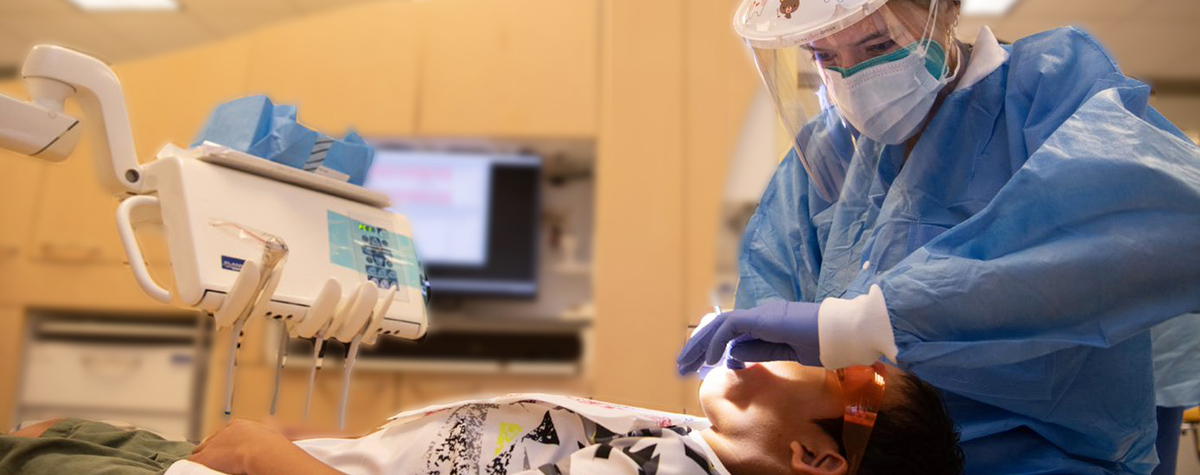
Oral health is closely tied to overall health, scholastic or job performance, and overall quality of life. For many rural residents of Maryland’s Eastern Shore, access to dental care is a significant challenge, driven in large part by a severe shortage of oral health care providers. While Maryland averages 70 dentists per 100,000 residents, Eastern Shore counties typically have fewer than 20 dentists per 100,000 residents, which is far below the national average of 61. This stark disparity makes the Shore one of the most underserved areas in the region and severely limits access to timely and preventive care, particularly for residents who are uninsured or underinsured.
The consequences of this provider shortage are most evident among children and families already facing economic hardship. The percentage of children living in poverty on the Eastern Shore is 15.2 percent, compared to the statewide average of 11.8 percent. In some counties, such as Dorchester, nearly 90 percent of students qualify for free and reduced-price meals. Poverty can negatively impact academic, cognitive, and health outcomes, and when combined with a lack of available dental providers, it creates significant barriers to care. In Maryland’s rural Shore communities, as many as 25 to 30 percent of children do not receive regular dental or oral health services, contributing to higher rates of dental decay and unmet urgent care needs across the region.
The long-term implications for the overall health and well-being of our rural neighbors are staggering. Untreated dental disease is linked to serious systemic health risks, with studies suggesting that dental decay correlates to a 26 percent increased risk of all-cause mortality and a 48 percent increased risk of heart disease mortality. Dental pain also can dramatically impact quality of life, school attendance, and workforce participation, often resulting in lost productivity and financial strain. Addressing the shortage of dental providers on the Eastern Shore is therefore critical, not only to expanding access to care, but also to improving health outcomes and economic stability across these vulnerable communities.
To address the severe shortage of dental providers on the Eastern Shore, the University of Maryland School of Dentistry (UMSOD) is focused on building a sustainable workforce pipeline for the region’s underserved communities.
UMSOD is seeking support to fund scholarships for dental students who commit to practicing on the Eastern Shore after graduation. By reducing financial barriers, these scholarships create a direct pathway for placing skilled providers where they are needed most.
The goal is to fully endow four scholarships ($1.7 million each for a $6.8 million total investment), helping to ensure that UMSOD can place one or more new dental providers on the Eastern Shore each year.
Your generous support will expand access to oral health care by ensuring a steady presence of dedicated dental professionals serving this region. — Your generous support will help build oral health equity and access to critical dental care services in underserved areas of the Eastern Shore.
We invite you to learn more
To explore opportunities to support and advance these critical initiatives for decades to come, please contact Greg Bowden, Chief Philanthropy Officer and Vice President, University of Maryland, Baltimore, at gbowden@umaryland.edu or download a copy of our Eastern Shore Pathways Case for Support.