


When Justice Becomes a Public Health Issue
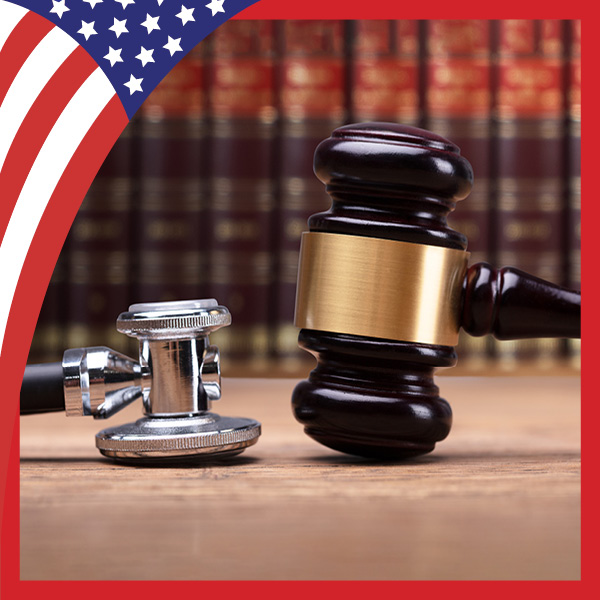
Using the legal system to create healthier communities, Maryland Carey Law is a national leader in recruiting experts and training advocates making an impact at the intersection of law and health.
For much of America's history, health and justice have been viewed as separate pursuits. One focused on treating illness. The other focused on interpreting and enforcing the law.
Yet over the past 250 years, the nation has learned a powerful lesson: where a person lives, whether they have stable housing, access to food, protection from discrimination, safety from violence, and the ability to navigate complex systems often has as much influence on health as any medicine or medical procedure.
At the University of Maryland Francis King Carey School of Law, that understanding has shaped generations of lawyers, advocates, and public servants working to improve lives not only through courtrooms and legislation, but also through healthier communities.
As America celebrates the 250th anniversary of its independence this year, the story of Maryland Carey Law demonstrates how justice itself can be a powerful tool for improving public health.
Founded in 1824, Maryland Carey Law predates the Civil War and has educated legal leaders throughout some of the most transformative chapters in U.S. history. For more than two centuries, its graduates have served as judges, legislators, attorneys, policymakers, and advocates, helping shape the laws and institutions that govern society.
But in recent decades, the school also has emerged as a national leader in an area that sits at the intersection of law and health.
Many of the challenges facing Americans today cannot be solved through medical care alone. Families struggling with unsafe housing might face higher rates of asthma and chronic illness. Children exposed to violence may experience lifelong physical and mental health consequences. Older adults navigating complex systems could lose access to critical services.
Legal barriers can prevent individuals from obtaining health care, securing benefits, or escaping unsafe environments.
Recognizing these realities, Maryland Carey Law has helped advance the idea that improving health often requires addressing the legal and social conditions that shape well-being.
Through nationally recognized clinics and community-based programs, law students work directly with Maryland residents confronting some of society's most pressing challenges. They advocate for children and families, support individuals facing housing instability, help survivors of violence, and assist vulnerable populations navigating complex legal systems. In doing so, they gain firsthand experience with the ways law and policy affect health, opportunity, and quality of life.
Interdisciplinary Surroundings
The school's work is strengthened by its unique location within UMB — the state’s public health, law, and human services university. Few other institutions in the nation bring together schools of law, medicine, nursing, pharmacy, social work, and dentistry in a single academic community dedicated to improving lives.
That interdisciplinary environment has allowed Maryland Carey Law faculty and students to collaborate with health professionals in ways that reflect the increasingly interconnected challenges facing communities. Lawyers work alongside physicians, nurses, pharmacists, dentists, and social workers to identify barriers to care, address social determinants of health, and develop solutions that extend beyond traditional legal representation.
This approach has helped redefine what it means to serve the public.
Whether addressing the legal needs of patients, supporting children in vulnerable circumstances, strengthening community health initiatives, or helping shape policies that affect millions of Americans, Maryland Carey Law graduates have demonstrated that justice and health are deeply connected.
The school’s contributions also have extended beyond Maryland. Faculty members have informed national conversations on public health law, health policy, bioethics, elder law, environmental justice, and civil rights. Their scholarship and expertise have helped policymakers navigate emerging challenges ranging from health care access to public health emergencies.
A Legal Touch to Crisis Management
The COVID-19 pandemic offered a stark reminder about the relationship between law and health. Questions surrounding public health authority, workplace protections, housing stability, access to care, and emergency response required legal expertise alongside medical and scientific knowledge. As communities across the nation grappled with unprecedented challenges, legal professionals played a critical role in helping institutions, governments, and individuals respond to the crisis.
The pandemic reinforced a lesson that has become increasingly clear throughout American history: Healthy communities depend not only on doctors and nurses, but also on laws and policies that create the conditions for people to thrive.
As the United States marks 250 years of progress, Maryland Carey Law continues to prepare future leaders who understand that the pursuit of justice is about more than legal outcomes. It also is about expanding opportunity, protecting rights, strengthening communities, and improving lives.
From courtrooms and legislative chambers to clinics, neighborhoods, and public health initiatives, Maryland Carey Law graduates have helped ensure that the promise of justice extends beyond the law itself. Because when justice becomes a public health issue, the work of lawyers becomes part of a larger mission: building a healthier, safer, and more equitable America.