


The Doctor Who Chose a Different Field of Dreams
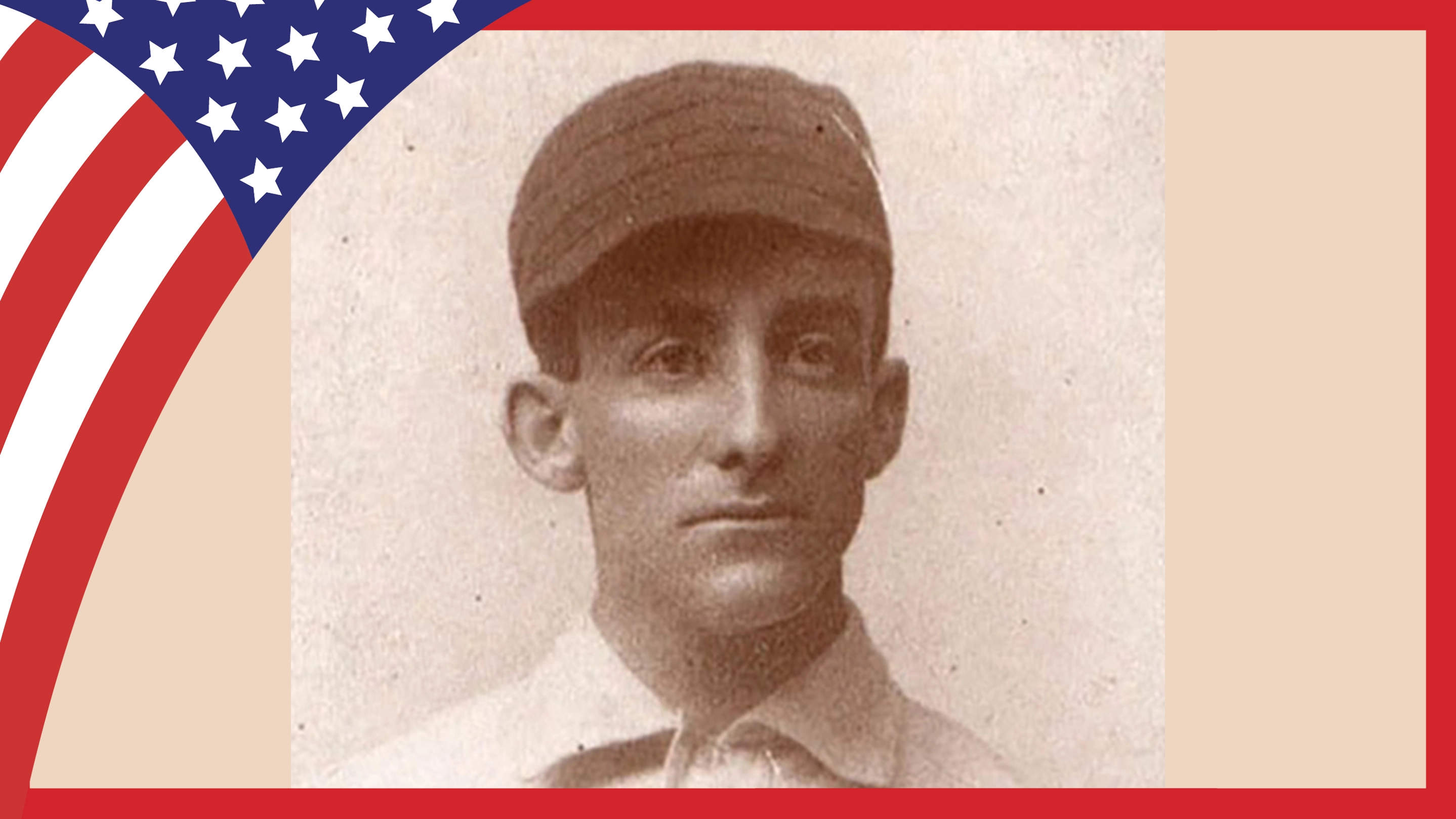
In June 1905, a young physician stood in the outfield at Washington Park in Brooklyn wearing a New York Giants uniform. He had spent years dreaming of this moment. Every child who had ever picked up a baseball imagined one day playing in the major leagues, and Archibald “Moonlight” Graham had finally arrived.
The game itself passed almost unnoticed.
With the Giants leading 10-0, manager John McGraw sent Graham into the game as a defensive replacement in the eighth inning. As the visiting Giants made their final out in the top of the ninth, Graham stood in the on-deck circle, one batter away from his first major league at-bat.
He played right field in the bottom of the ninth, but no fly balls came his way.
For many people, that might have become the defining disappointment of a lifetime. Instead, it became little more than an interesting story to tell. Graham had another dream waiting for him — one that had begun years earlier in Baltimore at the University of Maryland School of Medicine (UMSOM).
Long before the University of Maryland, Baltimore became known exclusively as an academic health center, student life looked remarkably different. At the turn of the 20th century, the University fielded competitive teams in baseball and football. Students filled their days moving between anatomy lectures, chemistry laboratories, athletic practices, and late-night study sessions. The idea of a future physician wearing both a baseball uniform and a white coat was not unusual.
Few embraced both roles as completely as Archibald Graham.
Baseball and Medicine
Born in North Carolina in 1876 and raised in the era when baseball was rapidly becoming America’s pastime, Graham possessed athletic ability and intellectual ambition. After beginning medical school elsewhere, he transferred to the University of Maryland, where he continued to pursue baseball while completing one of the country’s most demanding medical educations. He played for the University’s baseball and football teams, earning a reputation not only as a talented athlete but also as a disciplined student who refused to let one ambition come at the expense of the other.
That balance defined his life.
Even after signing a professional baseball contract, Graham delayed reporting so he could complete his medical studies. While other young players devoted themselves entirely to the game, Graham remained committed to becoming a physician. Baseball offered excitement and uncertainty. Medicine promised something different: the opportunity to build a life devoted to helping others.
There are conflicting accounts about how he earned the nickname “Moonlight,” including one that attributed it to the fact that he was a physician who was moonlighting as a baseball player.
After his brief appearance with the Giants, Graham continued playing professional baseball in the minor leagues for several seasons. By all accounts, he was a capable player. Yet as the years passed, the choice before him became increasingly clear. Professional baseball offered no guarantees. Medicine offered purpose.
He chose medicine.
Immortalized on Film
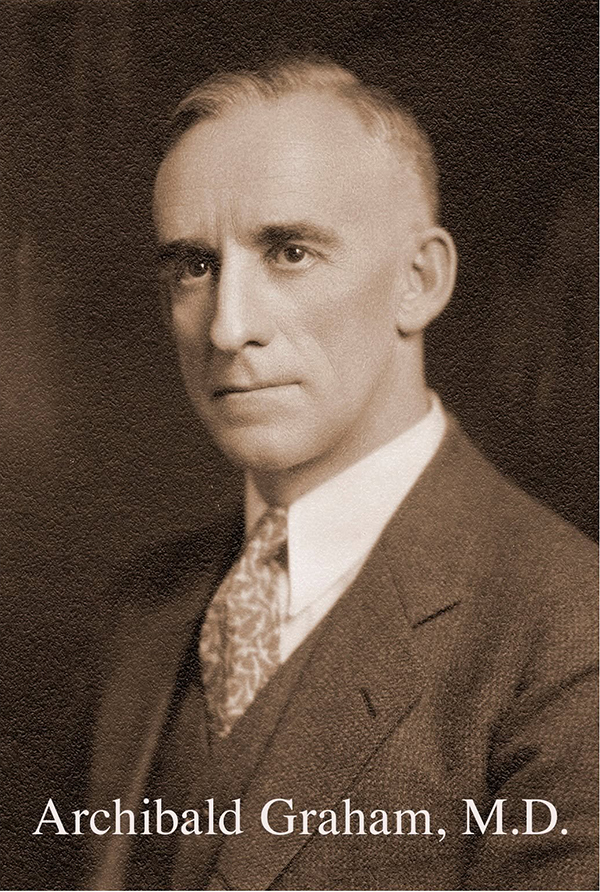
Degree in hand from UMSOM, Graham settled in the small mining community of Chisholm, Minn. There, he spent more than five decades caring for families, delivering babies, treating injured miners, making house calls through brutal northern winters, and looking after generations of children who would remember him not as a former ballplayer but simply as “Doc.”
His reputation grew not because of athletic achievement, but because of quiet acts of kindness. Stories spread of Graham treating patients regardless of their ability to pay. Children adored him. Families trusted him. He became the kind of community physician whose influence could never be measured by statistics alone. Every baby safely delivered, every illness carefully treated, every anxious family reassured became part of a legacy far greater than any batting average.
Graham also conducted a long-term study that tracked blood pressure measurements in Chisholm schoolchildren, leading to the paper “Blood Pressures in Children Between the Ages of Five and Sixteen,” which was published by the American Journal of Diseases of Children in April 1945. The pioneering study — believed to be his only known published research paper —helped change medical dogma by proving that high blood pressure could affect children.
Ironically, it was only after his death in 1965 at age 87 that baseball rediscovered Graham. Author W.P. Kinsella stumbled upon his remarkable story while researching what would become the 1982 novel “Shoeless Joe,” and the tale of a ballplayer whose major league career lasted only two innings captured his imagination.
When the novel was adapted into “Field of Dreams,” the well-regarded and Academy Award-nominated 1989 film, Graham became one of its most beloved characters, portrayed by Frank Whaley young “Moonlight” and Hollywood legend Burt Lancaster as “Doc” in his final movie role. In the fictional version of his life, young Graham is given the chance he never received in reality: an at-bat against major league players.
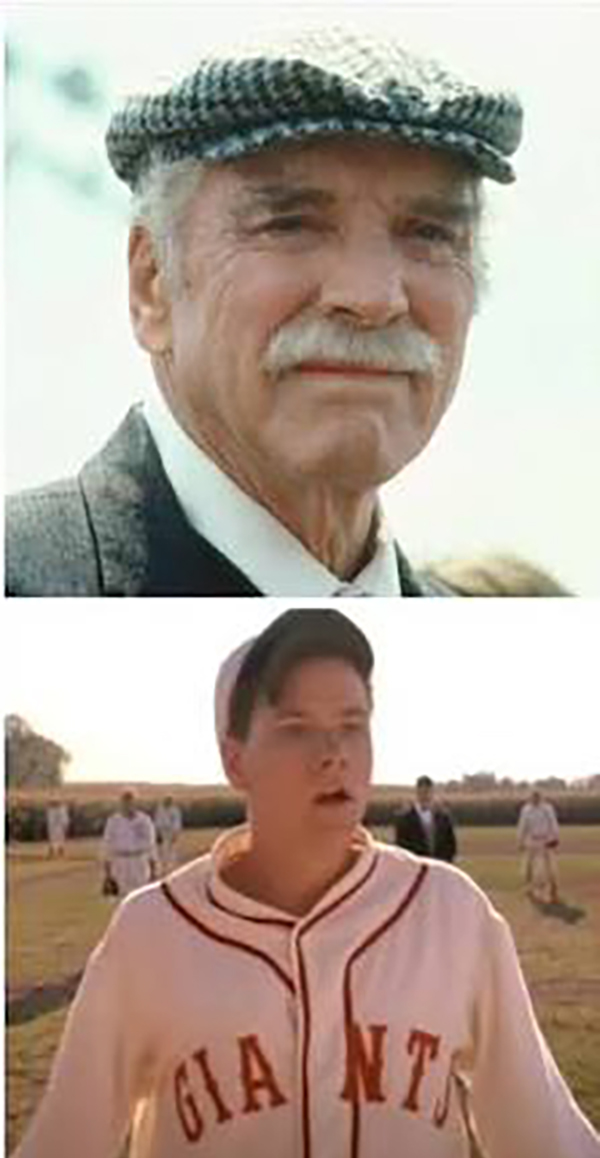 Burt Lancaster (top) and Frank Whaley portrayed Archibald “Moonlight” Graham in “Field of Dreams.”
The scene resonates because nearly everyone has wondered about the path not taken. What if one missed opportunity had unfolded differently? What if a single moment had changed everything?
Yet Graham’s real life suggests a different answer.
Had he stepped into the batter’s box that afternoon in Brooklyn, it might have altered a baseball statistic. It would not have changed the thousands of patients whose lives he touched over the next half century. The true measure of his success was never recorded in the sporting pages. It was written instead in the lives of families who depended upon a compassionate physician and in a community that came to see him as indispensable.
Follow Your Dreams
That truth became even more tangible in 2022 when a forgotten cache of correspondence between Graham and the then-dean of UMSOM was discovered. These letters revealed a young physician carefully managing tuition payments while pursuing medicine and baseball. More than a century later, they offered a remarkably human portrait of a man balancing ambition, financial realities, and an unwavering commitment to complete his education.
As the United States celebrates the 250th anniversary of the Declaration of Independence in 2026, the story of “Moonlight” Graham reminds us that American history is filled with people whose greatest achievements never made the headlines. His story connects two traditions that have helped define the nation: baseball, often called America’s pastime, and medicine, one of its noblest professions.
The University of Maryland School of Medicine gave Graham the education that prepared him for one dream, while its athletic fields allowed him to pursue another. History remembers him because of baseball. The people who knew him remembered him because he was their doctor.
In the end, that was the dream that mattered most.
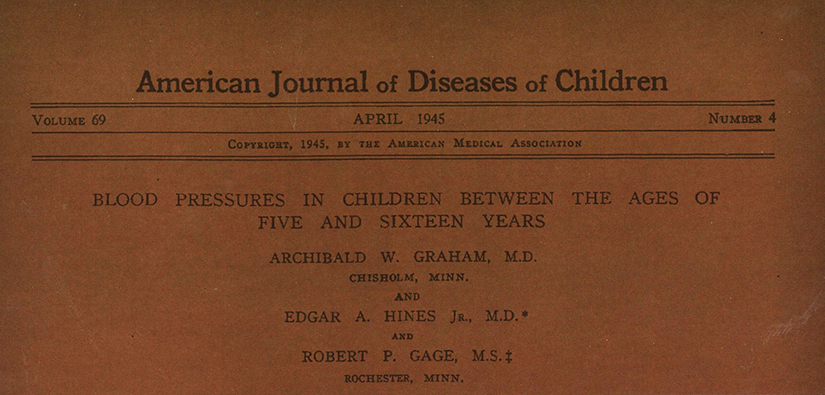
Archibald Graham and two Mayo Clinic researchers wrote “Blood Pressures in Children Between the Ages of Five and Sixteen,” which was published by the American Journal of Diseases of Children and based on blood pressure measurements of children in Chisholm, Minn., that Graham documented for a period of more than 10 years.