


Social Work, Social Challenges, and Building a Better Society
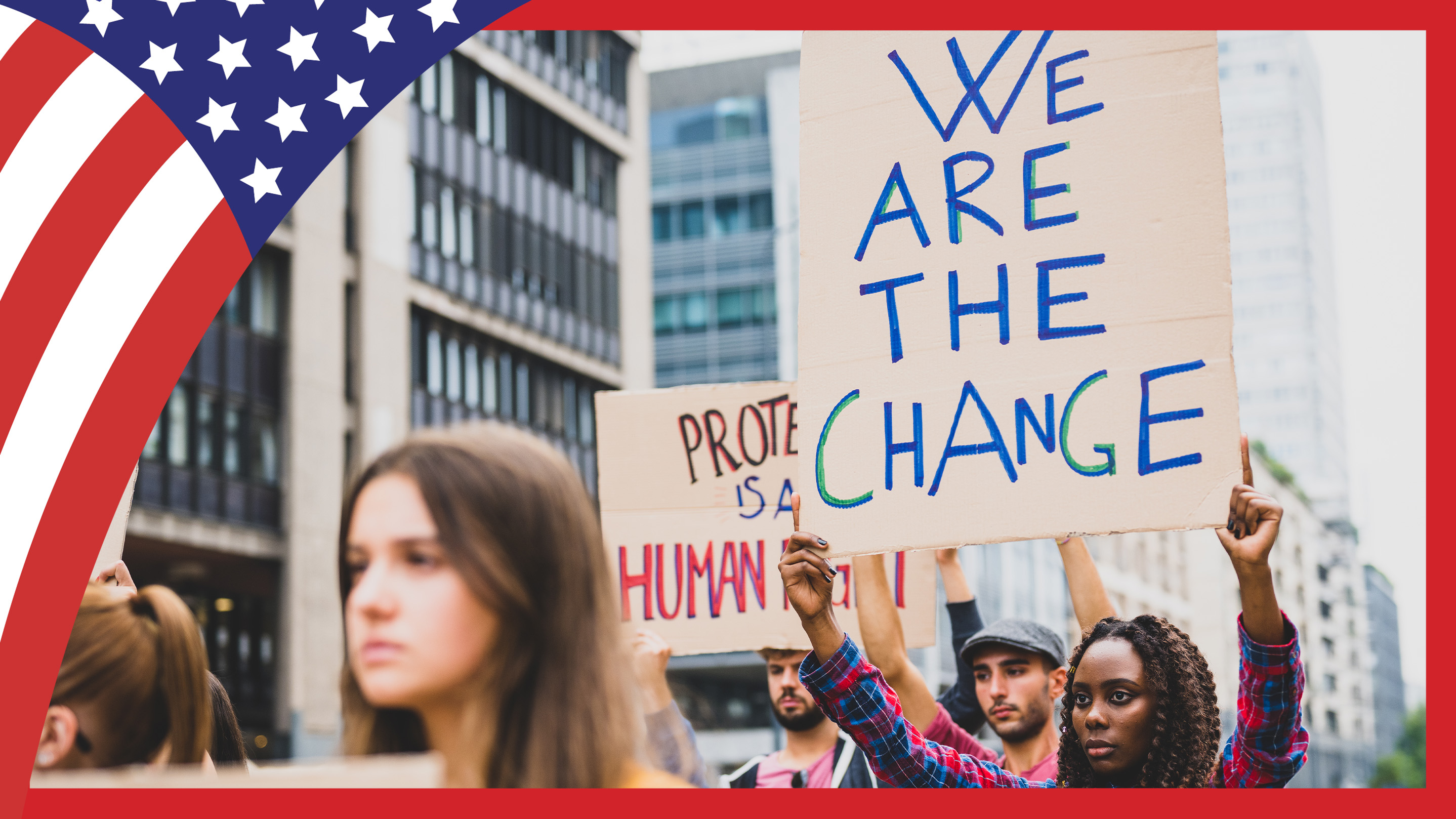
For 250 years, the United States has grappled with a fundamental question: How can we build stronger, healthier communities for all?
The answers have evolved alongside the nation itself. As America grew, so did the understanding that improving people’s lives requires more than hospitals, schools, and government programs. It requires trained professionals who can help individuals, families, and communities navigate complex social challenges and connect people to the resources they need to thrive.
Recognizing that need, the Maryland General Assembly authorized the establishment of the state’s first graduate school of social work in 1961. First named the University of Maryland School of Social Work and Community Planning, it is the youngest of the seven schools on the University of Maryland, Baltimore (UMB) campus.
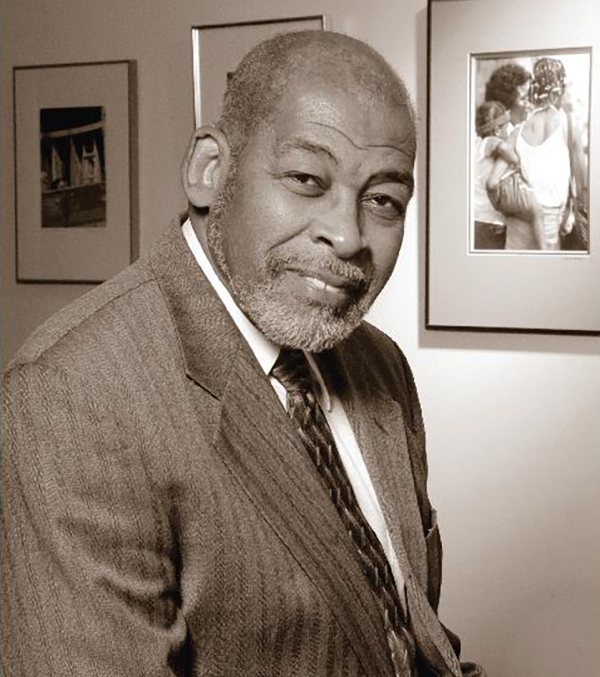
Jesse Harris, PhD, MSW, MS, was the first African American dean of the University of Maryland School of Social Work, serving from 1991 to 2006. He created the Social Work Community Outreach Service, which supported the community by providing free social work services to Baltimore residents and has expanded into the Center for Restorative Change. He stayed at the school as a professor until retiring in 2016.
The University of Maryland School of Social Work’s founding marked an important milestone in the state’s history. At a time when the nation was confronting poverty, inequality, urban challenges, and growing demands on public services, the school was created to educate a new generation of professionals who would be prepared to address the social conditions that influence health, well-being, and opportunity.
The timing was significant. The 1960s were a transformative decade in American history, marked by the Civil Rights Movement, the expansion of social programs, and a growing recognition that community health and economic stability are deeply interconnected. Social workers were increasingly called upon to serve on the front lines of these efforts, helping individuals and families navigate systems, overcome barriers, and access opportunities.
In Maryland, the School of Social Work helped lead these efforts.
For 65 years, the school has prepared thousands of social workers who have served in communities across the state and nation. Its graduates have worked in schools, hospitals, community organizations, government agencies, courts, veterans programs, child welfare systems, and behavioral health settings, helping individuals and families overcome challenges while strengthening communities.
The school’s impact extends beyond education. Faculty and students have helped shape public policy, advance research on the social determinants of health, develop innovative community partnerships, and create programs that address issues ranging from poverty and housing insecurity to mental health and substance use disorders.
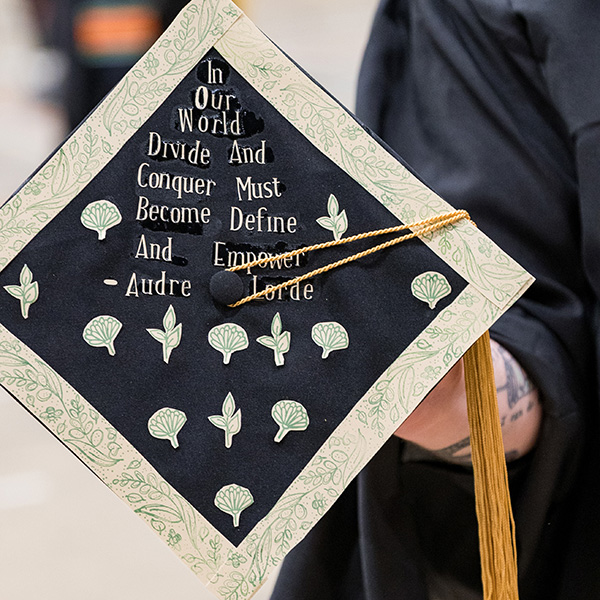
School of Social Work students often add aspirational or inspirational messages to their graduation caps.
Today, the School of Social Work continues to address some of the nation’s most pressing challenges. Through initiatives focused on infant mortality, community violence prevention, behavioral health, family stability, and health equity, the school works alongside communities to create sustainable solutions that improve lives.
As America celebrates its 250th anniversary, the story of Maryland’s first graduate school of social work reflects a broader national journey. It is the story of a country that increasingly recognized the importance of supporting not only physical health but also the social and economic conditions that allow people and communities to flourish.
The School of Social Work has helped turn that vision into action — educating leaders, advancing solutions, and strengthening communities across Maryland, the nation, and beyond. Its work continues to shape a healthier, more equitable future for Maryland and the nation.