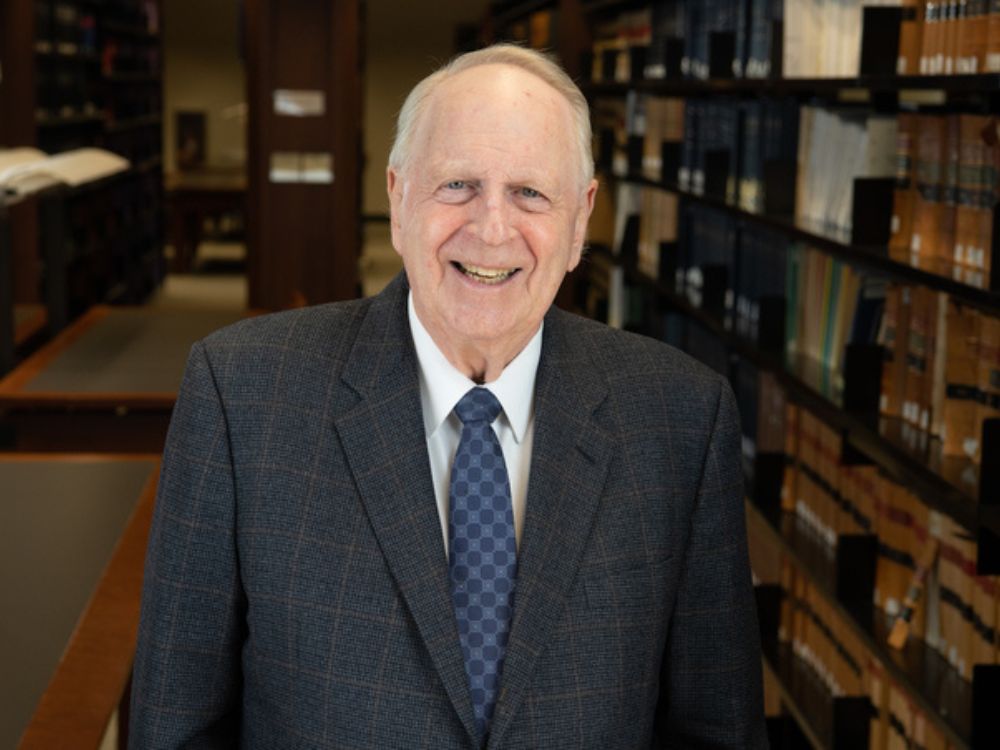


UM Center for Cyber, Health, and Hazard Strategies Executive Director Markus Rauschecker Elected Chair of the Maryland Cybersecurity Council
BALTIMORE — Markus Rauschecker, JD, Executive Director of the University of Maryland Center for Cyber, Health, and Hazard Strategies (CHHS), has been elected to serve as the next Chair of the Maryland Cybersecurity Council. He succeeds Maryland Attorney General Anthony Brown, who previously held the role. Rauschecker will serve a two-year term guiding the state’s cybersecurity advisory body as Maryland confronts rapidly evolving digital risks and emerging technologies.
The Maryland Cybersecurity Council was established by the General Assembly in 2015 to coordinate statewide strategy around cybersecurity threats facing government, critical infrastructure, businesses, and Maryland residents. The Council brings together more than 30 leaders from state agencies, higher education institutions, nonprofit organizations, and the private sector. Its five subcommittees address Digital Rights, Trustworthy AI, and Cybercrime; Critical Infrastructure Protection; State and Local Government Cybersecurity; Education and Workforce Development; and Economic Development.
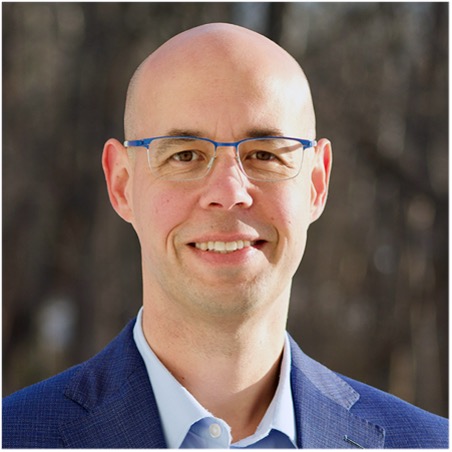
Markus Rauschecker, JD
This year, state lawmakers expanded the Council’s mandate to include guidance on artificial intelligence and quantum computing—technologies poised to reshape Maryland’s workforce, economy, and security posture.
Rauschecker, a longtime leader in cybersecurity policy and resilience planning across Maryland and beyond, said he is honored to step into the role at a time of significant technological change.
“I am deeply honored to serve as Chair of the Maryland Cybersecurity Council,” Rauschecker said. “Maryland has the opportunity to lead the nation in building secure, resilient, and equitable digital systems. Whether we are strengthening the defenses of our electric and water utilities, advising policymakers on the responsible use of artificial intelligence, or enhancing data privacy protections for residents, the Council’s work has real impact on people’s daily lives. I look forward to continuing this collaborative work on behalf of the state.”
UMB President Bruce E. Jarrell, MD, FACS, congratulated Rauschecker and emphasized the importance of CHHS’s leadership in statewide cybersecurity preparedness.
“Markus is widely respected for his insight, integrity, and commitment to public service,” said President Jarrell. “His leadership reflects UMB’s mission to improve the human condition. At a time when cybersecurity intersects with healthcare, infrastructure, education, and government, his ability to bring partners together will help ensure Maryland is prepared, protected, and positioned to lead.”
About the Center for Cyber, Health, and Hazard Strategies
CHHS, housed at the University of Maryland, Baltimore, provides expertise, training, and strategic planning to state agencies, local governments, hospitals, and community organizations across Maryland and the nation. The Center helps partners prepare for and respond to cybersecurity incidents, natural disasters, public health emergencies, and emerging threats — ensuring that critical services remain strong and communities remain safe. Through planning, policy development, workforce training, and cross-sector collaboration, CHHS serves as a trusted resource driving resilience across the state.
For more information about the Center for Cyber, Health, and Hazard Strategies visit: https://www.umaryland.edu/chhs/
For more information about the Maryland Cybersecurity Council, visit the official Council page hosted by UMGC:
https://www.umgc.edu/administration/leadership-and-governance/boards-and-committees/maryland-cybersecurity-council
About the University of Maryland, Baltimore
Founded in 1807, the University of Maryland, Baltimore is the state’s only public health, law, and human services university. UMB advances health, justice, and social impact through innovative education, pioneering research, and compassionate care. The University enrolls nearly 7,000 students in six nationally ranked professional schools — dentistry, law, medicine, nursing, pharmacy, and social work — and the interdisciplinary Graduate School.
.jpg)