

|
|
Student's Winning Plan Can Simplify Adverse Drug Reporting to FDA |
Curtis Gallagher, now a
University of Maryland (UM) student, says he
once needed nearly 20 minutes to figure out how to report a bad
medication reaction to the Food and Drug Administration (FDA).
But, unlike other consumers who in 2010 reported about 427,000 adverse
medication events, Gallagher will have a chance to tell a top FDA
administrator about that frustrating experience and suggest a way to
improve the agency's reporting system.
On Jan. 24, Gallagher, a PhD graduate student in molecular medicine in
the UM School of Medicine,
won the University's first America's Got
Regulatory Science Talent student competition at the UM School of
Pharmacy. He convinced the judges' two pharmacy faculty members and
an
FDA official that his Interactive Medication Guides (IMGs) could
improve the process of reporting an adverse medication event to the
regulatory agency. His first place winnings are an iPod (the Apple
Shuffle MP3 player) and a chance to meet Jesse Goodman, MD, MPH, chief
scientist at the FDA.
The student competition was presented by the University's Center of
Excellence in Regulatory Science and Innovation (M-CERSI), a
collaboration with the University of Maryland, College Park. In late
2011, the FDA awarded $1 million to launch CERSI programs at the
University of Maryland.
M-CERSI is intended to modernize the FDA's regulatory processes through
a more robust science culture, according to Goodman, who is working
closely with faculty at both the School of Pharmacy and College Park on
the center's initiatives.
For the talent competition, six teams of students signed up with recommendations from faculty members.
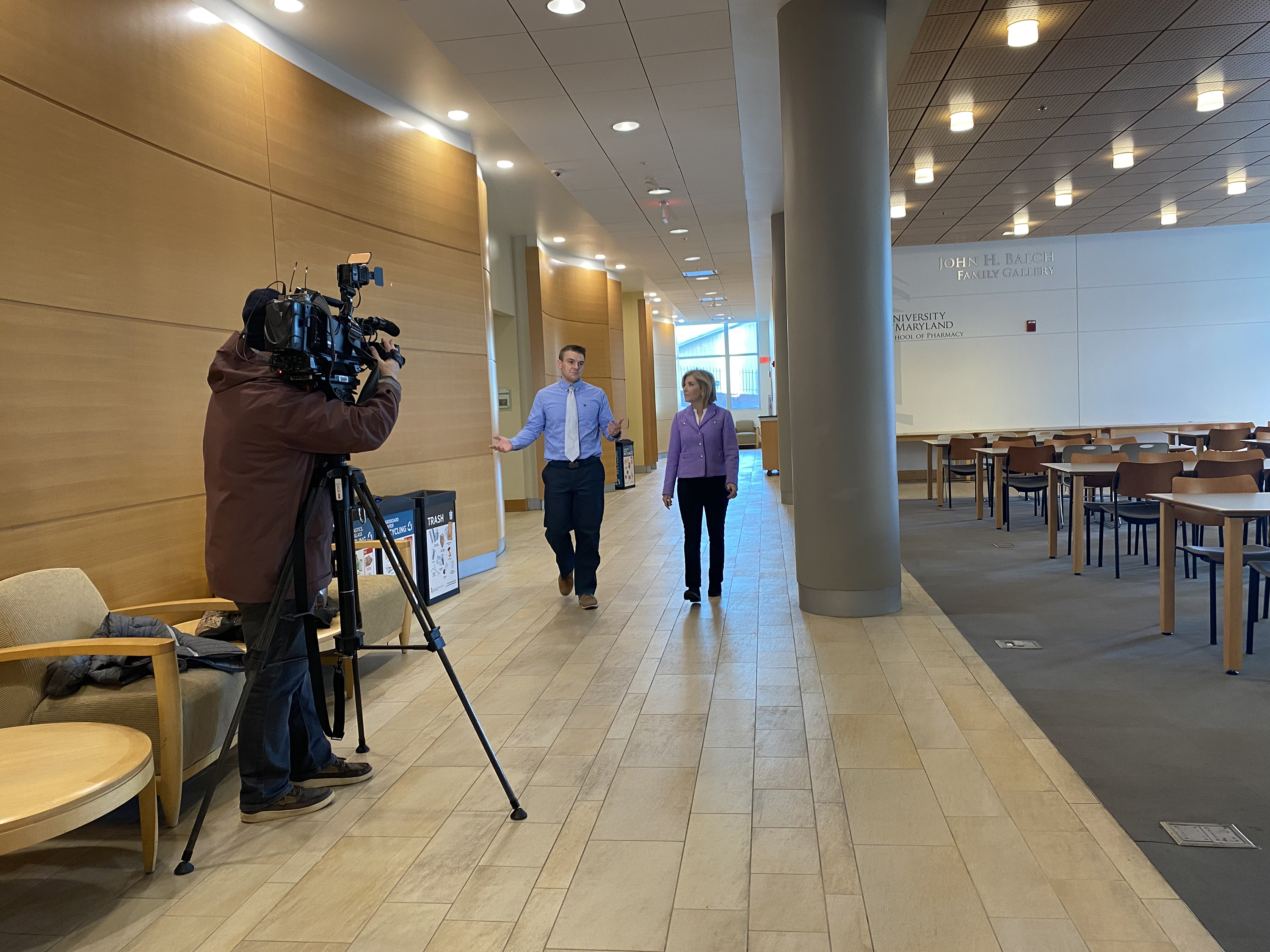
Gallagher says, "I had that [adverse reaction] experience, and I
thought there must be a more efficient way to report side effects." (He is pictured with judge Raafat Fahmy PhD, FDA science advisor.) His
IMGs would streamline the online FDA reporting process from many steps
to just two. "This FDA medication guidance will also increase the
number of consumer reports," Gallagher says. "This is something we have
to offer people on a silver platter." He points out that the 427,000
reports in 2010, the last complete data available, represents "a
miniscule" percentage of the 150 million Americans who take at least
one prescription drug.
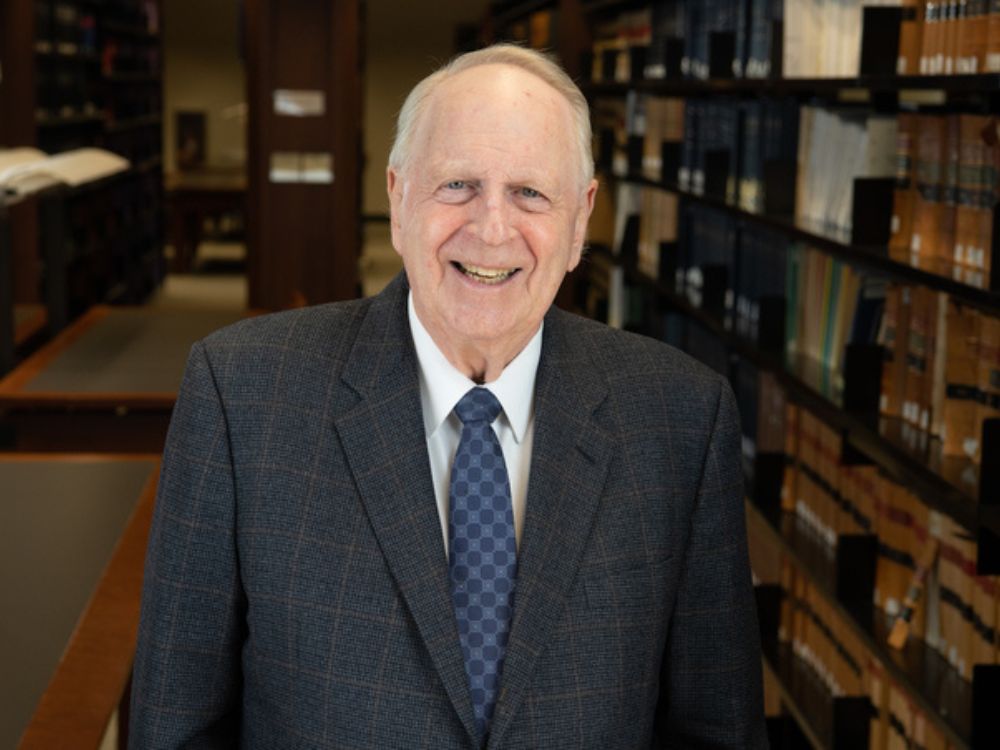
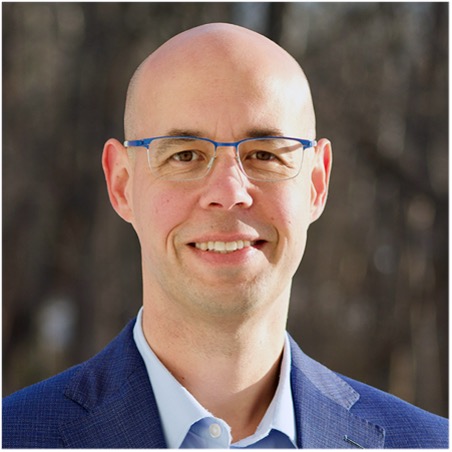
James Polli, PhD, co-director
of the M-CERSI, says the competition was
"designed to promote student interest in regulatory science⎯the science
of developing new tools, standards, and approaches to assess the
safety, efficacy, quality, and performance of FDA-regulated products."
The judges awarded second place in the competition to a team of five
doctoral students in the School of Pharmacy's Department of
Pharmaceutical Health Services Research for developing an electronic
system to promote better medication safety and adherence by
facilitating more collaboration between physicians and pharmacists. A
patient's entire medication regimen would be shared. Team members were
Mehmet Burcu, Sarah Dutcher, Patience Moyo, Xinyi Ng, and Dinci Pennap.
The third place team of Jane Kalinina and Neha Patel outlined how to
add medication indications to pharmacy labels in order to increase
patient compliance and better outcomes. Both students are earning
simultaneous pharmacy and law degrees.
"Several graduate students and postdoctoral fellows already work on
M-CERSI research projects with the FDA," says Polli, who is a professor
and the Ralph F. Shangraw/Noxell Endowed Chair in Industrial Pharmacy
and Pharmaceutics at the School of Pharmacy. "In addition, this
competition allowed even more students from various degree programs and
disciplines to be involved and learn about regulatory science. The
quality of ideas and presentations was excellent. The student teams put
a lot of effort into their proposed solutions. It was a lot of
fun, and we'll do it again next year."
Other student teams suggested improving the safety of generic drugs
through stricter FDA application processes, better regulatory standards
for ensuring the safety of products from compounding pharmacies, and
quality assurance for new generic drugs through more precise data to
engineer the products.
Teammates Naim Haque and Mary Li say they didn't expect such an
opportunity in their very first year of pharmacy school. "We studied
the FDA website first, then we were very fortunate to be able to do
this, and to meet an FDA regulator,""says Haque. "It was very
interesting to try to make the approval process more efficient."
|
| Posting Date: 02/04/2013 |
| Contact Name: Steve Berberich |
| Contact Phone: 410-706-0023 |
| Contact Email: sberb001@umaryland.edu |
|